
 8.0Jurassic Park1993127mMovie
Trending movies
View more ›8.0Jurassic Park1993127mMovie 7.8Back to the Future Part II1989108mMovie
 7.4The Social Network2010121mMovie
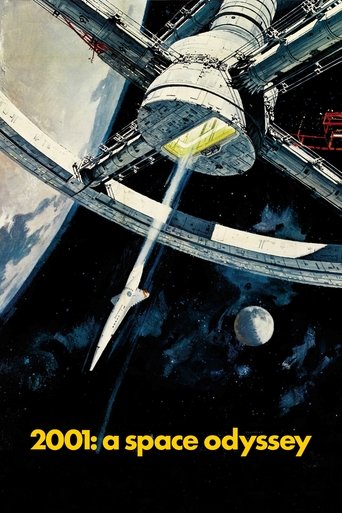 8.02001: A Space Odyssey1968149mMovie
 7.9A Beautiful Mind2001135mMovie
 7.6Groundhog Day1993101mMovie
 7.4The Terminal2004128mMovie
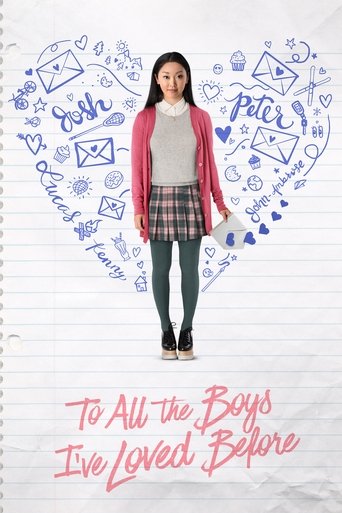 7.6To All the Boys I've Loved Before2018100mMovie
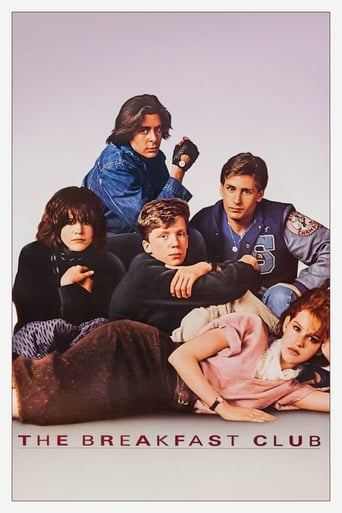 7.7The Breakfast Club198598mMovie
 8.1Wonder2017113mMovie
 7.7Little Miss Sunshine2006102mMovie
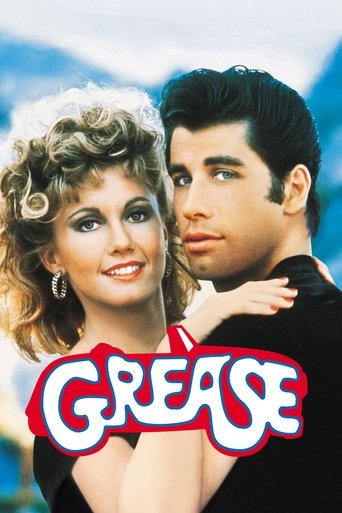 7.4Grease1978110mMovie
Trending TV shows
View more ›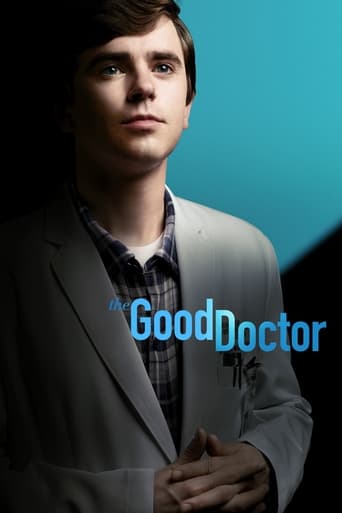 8.5The Good Doctor2017SS 7TV
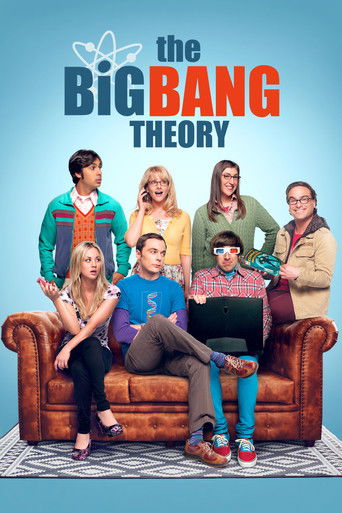 7.9The Big Bang Theory2007SS 12TV
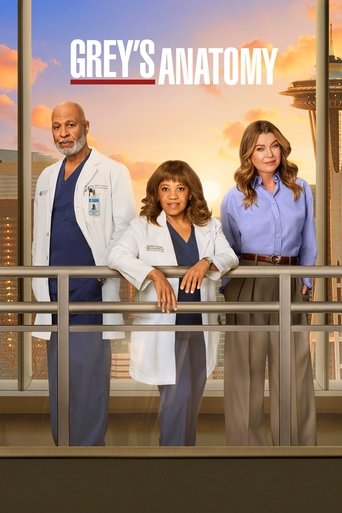 8.2Grey's Anatomy2005SS 23TV
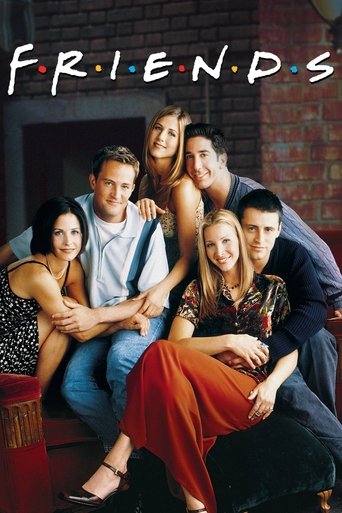 8.4Friends1994SS 10TV
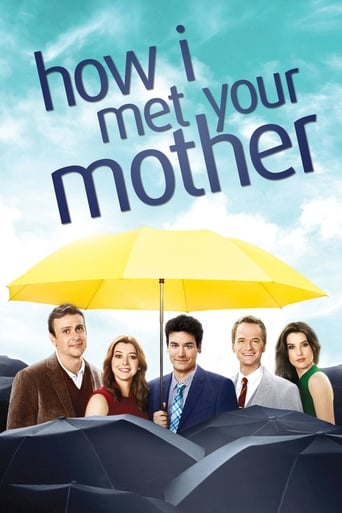 8.1How I Met Your Mother2005SS 9TV
 7.9Modern Family2009SS 11TV
 7.9The Fresh Prince of Bel-Air1990SS 6TV
 8.0Community2009SS 6TV
 8.0The Good Place2016SS 4TV
 8.4Drake & Josh2004SS 4TV
 8.2Victorious2010SS 4TV
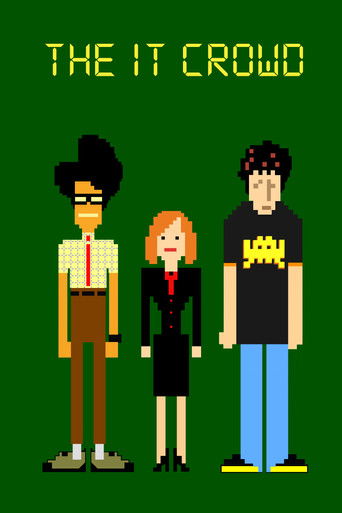 8.2The IT Crowd2006SS 4TV
8.0 and up
View more › 8.6I'm in the Band2009SS 2TV
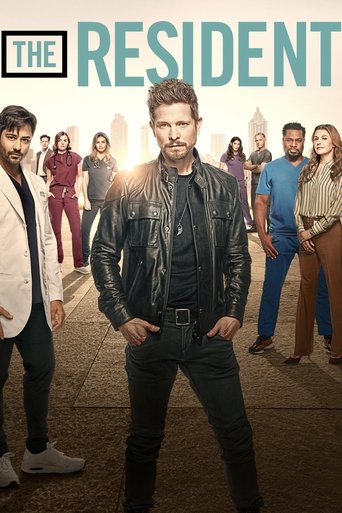 8.4The Resident2018SS 6TV
 8.3Voicemails for Isabelle2026119mMovie
 8.3The West Wing1999SS 7TV
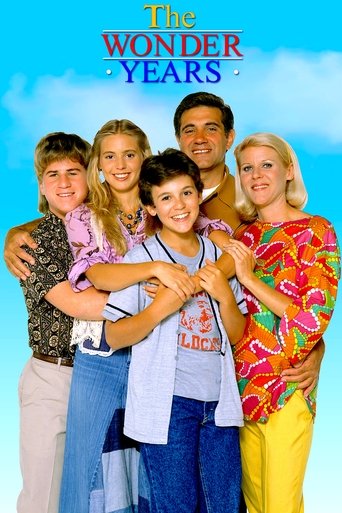 8.3The Wonder Years1988SS 6TV
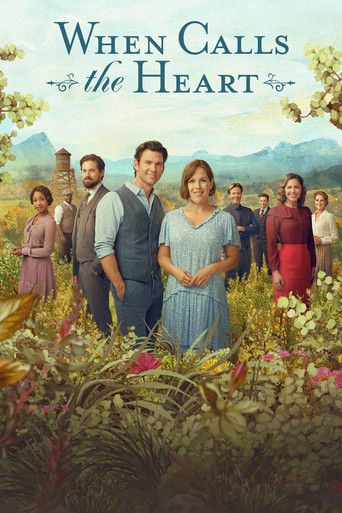 8.3When Calls the Heart2014SS 13TV
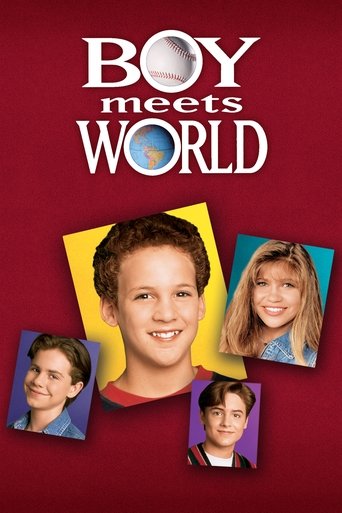 8.3Boy Meets World1993SS 7TV
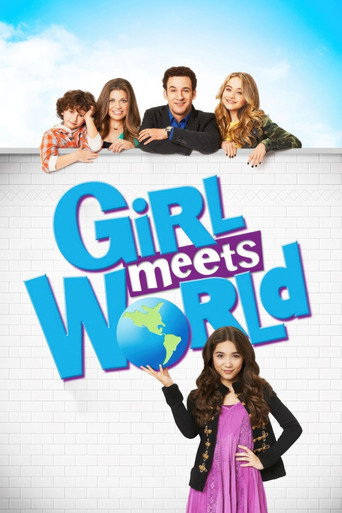 8.3Girl Meets World2014SS 3TV
 8.3Fawlty Towers1975SS 2TV
 8.3New Amsterdam2018SS 5TV
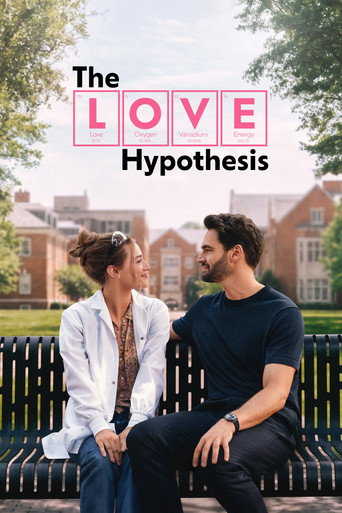 8.2The Love Hypothesis2026112mMovie
 8.2All Creatures Great & Small2020SS 7TV
Latest movies
View more › 7.8
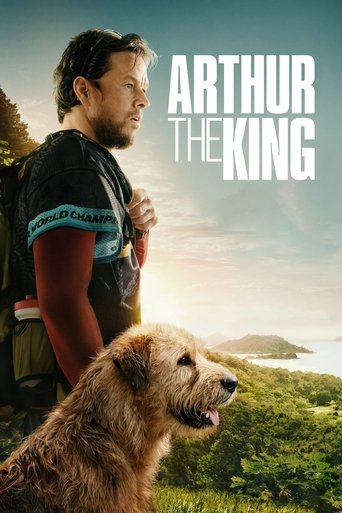 7.5
 7.6
 7.7
 8.0
 7.4
Latest TV shows
View more › 8.0
 8.0
 7.8
 8.1
 7.8
 7.9
More lists
7.6 to 7.9 687.3 to 7.5 42Comedy 89Drama 118Romance 37Family 41Music 12True stories 28British TV 15Before 1970 241970 to 1999 352000 to 2012 462013 to 2026 69
The FBoxTV guide
FBoxTV: only the high scores, from Friends, The Good Doctor and The West Wing to Jurassic Park, Wonder, Singin' in the Rain and CODA
FBoxTV is a guide with a floor. A movie must score at least 7.3 out of ten to be listed, and a TV show at least 7.8. What clears those bars is a catalogue of 174 titles, one hundred movies and seventy-four TV shows, with an average score of 7.8, made between 1925 and 2026. Each has a page with its cast, a summary and a single Watch now button, and its score is printed on a yellow badge on every poster. The movies run to about 187 hours and the series to 373 seasons.
The idea is to save time. Most evenings begin with a search through titles of every quality; this guide starts where the search usually hopes to end. The scores are audience scores, the averages of thousands of ratings from ordinary viewers, so the list is a record of what people actually enjoyed. Every title was also screened by hand for a family audience. The result leans towards comedy, warm drama, true stories, classics and school-age series that their audiences remember with affection.
This guide explains the page and the scoring, goes through the movies, the series and the three score bands, visits the lists by subject and closes with practical answers. The short version is on How to watch with FBoxTV.
How FBoxTV works
The page is dark grey with a black header, and its one bright colour is yellow. The logo is a yellow square with a capital F. The menu beside it reads Home, Movies, TV Shows, three score bands and A-Z, and a yellow button opens My Box.
The home page begins with a large search panel headed by the name of the guide, and continues with five blocks of posters: Trending movies, Trending TV shows, 8.0 and up, Latest movies and Latest TV shows. Under every poster a line gives the year, the length, in minutes for a movie and in seasons for a series, and a small label saying which of the two it is. The yellow badge at the corner shows the score. A title that has appeared in one block is passed over in the next.
A title page gives the same facts in full with the cast and, for a series, every season and dated episode. Beside the Watch now button is a selector with fifteen countries; choose one, press the button, and JustWatch lists the subscription, rental, purchase and free services that carry the title there. Finding a title explains the search box and the lists.
How the scores work
The scores come from TMDB, where registered viewers rate what they have seen from one to ten. The figure on the yellow badge is the average of those ratings, and the title page shows how many ratings stand behind it. A movie with 7.3 has pleased a large majority of the people who rated it; one with 8.0 has pleased nearly all of them.
The floor is set higher for series, at 7.8, for a simple reason. A film is rated by everyone who sat through it, including those who wished they had chosen something else. A series of a hundred episodes is rated mostly by the viewers who stayed to the end, and they are the ones who liked it. Raising the bar for series keeps the two halves of the guide comparable.
A score is a summary of other people's pleasure and should be read as one. It says little about whether a particular title suits a particular evening, which is why each page also gives the genres, the length and a summary. The scores page sets out the rule in brief.
The movies
One hundred movies clear the floor of 7.3. The most watched is Jurassic Park, with a score of 8.0 from the largest audience in the guide. Back to the Future Part II, The Social Network, A Beautiful Mind, Groundhog Day and The Terminal follow it in the Trending movies block, with The Breakfast Club, Wonder, Little Miss Sunshine and Grease.
More than a fifth of the list was made before 1970. Citizen Kane, All About Eve, Singin' in the Rain, Roman Holiday, The Shop Around the Corner, It Happened One Night and The Red Shoes all score 7.8 or more, eighty and ninety years after they were made. The two Chaplin comedies, The Gold Rush and The Circus, are older still.
The recent films are mostly true stories and small dramas that found their audience by word of mouth: Lion, CODA, King Richard, Past Lives, The Boy Who Harnessed the Wind, Sing Street, Hunt for the Wilderpeople, The Peanut Butter Falcon and Maudie. The movies guide sorts the hundred.
The TV shows
Seventy-four TV shows reach the higher floor of 7.8. The Good Doctor leads the Trending TV shows block with 8.5, followed by The Big Bang Theory, Grey's Anatomy, Friends, How I Met Your Mother and Modern Family, six series that between them ran for more than fifteen hundred episodes. The Fresh Prince of Bel-Air, Community, The Good Place, Drake & Josh, Victorious and The IT Crowd complete the block.
The list reaches back to the first years of television. I Love Lucy began in 1951 and I Dream of Jeannie in 1965. Little House on the Prairie, from 1974, follows a pioneer family in Minnesota across nine seasons. Fawlty Towers, from 1975, has only twelve episodes, each a small masterpiece of mounting panic in a seaside hotel, and scores 8.3.
The dramas include The West Wing, Friday Night Lights, ER, Downton Abbey, Halt and Catch Fire, The Newsroom and Northern Exposure, in which a young doctor from New York is sent to practise in a tiny Alaskan town and slowly stops wanting to leave. The newest entries are New Amsterdam, The Resident, All Creatures Great & Small and Georgie & Mandy's First Marriage. The TV shows guide sorts the list.
8.0 and up
The first score band holds the sixty-four titles that score 8.0 or more: forty-three series and twenty-one movies. I'm in the Band stands first at 8.6 and The Good Doctor second at 8.5. Friends, Drake & Josh and The Resident share 8.4, and a large group at 8.3 includes The Wonder Years, Fawlty Towers, The West Wing, Boy Meets World, Girl Meets World, New Amsterdam and When Calls the Heart.
Among the movies, Wonder, Singin' in the Rain, All About Eve, The Shop Around the Corner, Togo and The Art of Racing in the Rain share 8.1. At 8.0 stand Jurassic Park, 2001: A Space Odyssey, Citizen Kane, Before Sunrise, The Gold Rush, The Red Shoes, Lion, Flipped, Hachi: A Dog's Tale, Flamin' Hot, Front of the Class and Something the Lord Made.
The band is a curious company. A silent comedy, a ballet film, a dinosaur adventure, three films about dogs and three made for television sit side by side. What they share is that hardly anyone who has seen them wishes they had done something else with the time. The 8.0 and up guide gives the order.
The other two bands
The middle band, from 7.6 to 7.9, is the largest with sixty-eight titles. It contains the series that score 7.8 and 7.9, thirty-one of them, and a strong group of films: A Beautiful Mind and CODA at 7.9, Back to the Future Part II and Before Sunset at 7.8, The Breakfast Club, Little Miss Sunshine, Rain Man and Past Lives at 7.7, and Groundhog Day, Ferris Bueller's Day Off, King Richard and Breakfast at Tiffany's at 7.6.
The third band, from 7.3 to 7.5, holds forty-two movies. These are the well-liked films just under the summit: The Social Network, The Terminal, Grease, Mary Poppins, My Fair Lady, Moneyball, One Day, Elvis, Ray, The Philadelphia Story and Marty among them. Several are among the most famous films ever made, which is a reminder that fame and score are different things and that a 7.4 is a very good mark.
Every title sits in exactly one band, and the three lists together make up the whole guide. The other two bands page describes them.
Latest movies and latest TV shows
The last two blocks on the home page are ordered by date. Latest movies shows the newest films to have cleared the floor, among them two releases of 2026, The Love Hypothesis and Voicemails for Isabelle, and three of 2024: Young Woman and the Sea, the story of the first woman to swim the English Channel and Arthur the King, about an endurance athlete and the stray dog that joined his race.
Latest TV shows is led by Chad Powers and Georgie & Mandy's First Marriage, followed by My Life with the Walter Boys, Doogie Kamealoha, M.D., Big Shot and The Mighty Ducks: Game Changers. New titles join these blocks as soon as their scores settle above the line.
Comedy
Comedy is the largest subject in the guide, with eighty-nine titles, and the series lead it. Friends follows six New Yorkers in their twenties and thirties through ten seasons of flats, jobs and coffee. The Big Bang Theory spent twelve seasons with a group of physicists in Pasadena, and How I Met Your Mother is told by a father to his children across nine. Modern Family follows three households of one extended family in the style of a documentary, and Community is set in a study group at a community college whose episodes parody every genre in turn.
Scrubs finds the comedy in a teaching hospital and, between the daydreams, the sadness too. The Good Place sets a comedy in the afterlife and turns it into a course in moral philosophy. Schitt's Creek sends a wealthy family to live in a motel in a small town that they once bought as a joke, and The Marvelous Mrs. Maisel follows a housewife of the 1950s who discovers that she is a stand-up comedian. Flight of the Conchords is about two New Zealand musicians failing to find fame in New York, with songs in every episode.
The film comedies are fewer and choice. In Groundhog Day a weatherman lives the same February day again and again until he learns to live it well. Ferris Bueller's Day Off gives a schoolboy one perfect day in Chicago. Little Miss Sunshine puts a quarrelling family in a yellow van on the road to a children's pageant, and Hunt for the Wilderpeople sends a boy and his foster uncle into the New Zealand bush with the authorities behind them.
The oldest comedies hold their place easily. It Happened One Night, My Man Godfrey, Ninotchka and The Philadelphia Story were made between 1934 and 1940 and remain among the wittiest scripts ever filmed. The Odd Couple pairs Jack Lemmon and Walter Matthau as two divorced friends sharing a flat. The comedy guide gives the list.
Drama
Drama accounts for 118 titles, many of which are also comedies or romances. Three hospital series stand at the front. The Good Doctor follows a young surgeon with autism through seven seasons at a hospital in San Jose. Grey's Anatomy began in 2005 and is still running, and ER set the pattern for both with fifteen seasons in a Chicago emergency department. New Amsterdam and The Resident are the two most recent, each concerned with how a hospital is run as much as with its patients.
The West Wing follows the staff of an American president through two terms, in dialogue delivered at walking speed down corridors. The Newsroom, by the same writer, does the same for a cable news programme. Friday Night Lights is about a high-school football team in a small Texas town and is really about the town. Halt and Catch Fire covers the personal computer business from the early 1980s to the first years of the web, and Boston Legal gives two eccentric lawyers a balcony and a closing conversation in every episode.
The film dramas are led by A Beautiful Mind, about the mathematician John Nash, Rain Man, in which a car dealer drives across America with the brother he has only just met, and The Social Network, on the founding of Facebook. Citizen Kane and All About Eve represent the studio era at its sharpest, and How Green Was My Valley is John Ford's memory of a Welsh mining village.
The quieter films include Past Lives, about two childhood friends from Seoul who meet again in New York after twenty-four years, Maudie, on the Nova Scotia painter Maud Lewis, On Golden Pond, with Henry Fonda and Katharine Hepburn at a summer lake, and The Peanut Butter Falcon, in which a young man with Down syndrome sets out to become a wrestler. The drama guide sorts them.
Romance
Thirty-seven titles carry the romance tag. The highest of them are old: The Shop Around the Corner, in which two shop assistants in Budapest dislike each other at work and fall in love by letter, Singin' in the Rain, and Roman Holiday, where a princess slips away from her guards for a day in Rome with a reporter. Breakfast at Tiffany's and Somewhere in Time follow, and Marty is the gentlest of all, a film about a shy butcher in the Bronx who meets a schoolteacher at a dance.
Before Sunrise is a single night of conversation in Vienna between two travellers who met on a train, and Before Sunset finds them again nine years later in Paris, in eighty minutes of real time. One Day visits a pair of friends on the same date each year for two decades. Flipped tells a first love twice, once from each side of the street.
The younger romances are To All the Boys I've Loved Before and its sequel To All the Boys: Always and Forever, The Kissing Booth 2, Stargirl, Words on Bathroom Walls and the newest of all, The Love Hypothesis. The Longest Ride and The Best of Me come from the novels of Nicholas Sparks, and About Fate is a comedy of mistaken addresses on New Year's Eve.
Family and school-age series
Forty-one titles are marked for family viewing, and this is where the guide differs most from other lists of high scores. Series made for children and teenagers earn remarkable marks from the audiences who grew up with them. I'm in the Band, about a schoolboy who joins his favourite rock group, has the highest score in the whole guide at 8.6. Drake & Josh stands at 8.4, Boy Meets World and its sequel Girl Meets World at 8.3, and Victorious at 8.2.
Liv and Maddie, Andi Mack, Austin & Ally, Good Luck Charlie, iCarly and High School Musical: The Musical: The Series all stand between 7.9 and 8.0. H2O: Just Add Water comes from Australia and concerns three girls who turn into mermaids on contact with water. Saved by the Bell and Step by Step go back to the early 1990s, and Dinosaurs is a family comedy performed entirely by puppets from the Jim Henson workshop, as is the fantasy The Dark Crystal: Age of Resistance.
The older family series are The Wonder Years, a boyhood of the late 1960s remembered by its grown narrator, Little House on the Prairie, The Fresh Prince of Bel-Air, The Nanny, I Love Lucy and I Dream of Jeannie. The recent ones are The Baby-Sitters Club, Big Shot, Doogie Kamealoha, M.D., Free Rein and The Mighty Ducks: Game Changers.
The family films are led by Wonder, about a boy with a facial difference starting school, which scores 8.1. Mary Poppins, The Secret Garden, The Sandlot, Christopher Robin, August Rush, A Boy Called Christmas and The One and Only Ivan follow. The family guide lists all forty-one.
Dogs, horses and other good company
A reader who goes down the 8.0 list will soon see that audiences are generous to animals. Hachi: A Dog's Tale retells the Japanese story of the dog who waited at a railway station for his master every evening for years, and scores 8.0. Togo is the true story of the sled dog who ran the longest stretch of the 1925 serum relay across Alaska, and The Art of Racing in the Rain is narrated by the dog of a racing driver. Both stand at 8.1.
A Dog's Purpose follows one dog through several lives, and A Dog's Way Home follows another across four hundred miles of Colorado. Rescued by Ruby is about a shelter dog who becomes a police search dog, and Arthur the King about a stray that attached itself to an adventure racing team in Ecuador. Black Beauty, from 2020, retells the horse's story with a wild mustang, and Free Rein is a riding series set on an English island. The One and Only Ivan is about a gorilla who paints.
True stories
Twenty-eight films are based on real lives, and they are the backbone of the movie list. Several are about teachers and pupils. Stand and Deliver is the story of Jaime Escalante, who taught calculus to students in East Los Angeles. The Miracle Worker shows Anne Sullivan teaching the young Helen Keller her first word. Front of the Class is about a man with Tourette syndrome who becomes a teacher, and Temple Grandin about the scientist with autism who redesigned the handling of cattle.
Sport supplies another group. King Richard is about the father of Venus and Serena Williams, Moneyball about the Oakland Athletics and their statistics, Glory Road about the Texas Western basketball team of 1966, McFarland, USA about a cross-country team of farm workers' sons, and The Greatest Game Ever Played about the amateur who won the 1913 US Open. Young Woman and the Sea tells of Gertrude Ederle and the English Channel, and The World's Fastest Indian of Burt Munro, the New Zealander who took a home-tuned motorcycle to the Bonneville salt flats in his sixties.
Others are stories of invention and persistence. In The Boy Who Harnessed the Wind a boy in Malawi builds a windmill from scrap to save his village's harvest. A Million Miles Away follows José Hernández from the fields of California to the space shuttle. Something the Lord Made is about Vivien Thomas, the laboratory technician behind the first heart operations on infants, and Lion about a man who found his birthplace in India from satellite photographs twenty-five years after he was lost. Flamin' Hot, Jerry & Marge Go Large and Radio are lighter. The true stories guide lists the twenty-eight.
British television
Fifteen series come from Britain, and for their size they score very highly. British comedies are short, often six episodes a year, and written by one or two people from start to finish, which keeps the weak episodes few. Fawlty Towers is the clearest case. The IT Crowd is set in the basement office of a large company's computer support staff, Spaced in a north London flat shared by two strangers pretending to be a couple, and Friday Night Dinner at the same family table every week. Mr. Bean hardly speaks at all and is understood everywhere.
Only Fools and Horses ran for more than twenty years with two brothers trading from a three-wheeled van in Peckham. Derry Girls follows five teenagers in Northern Ireland in the 1990s, and Detectorists two friends with metal detectors in the fields of Essex, in the gentlest comedy in the guide. Jeeves and Wooster has Stephen Fry and Hugh Laurie in the stories of P. G. Wodehouse.
The dramas are period pieces. Pride and Prejudice, the 1995 version in six parts with Jennifer Ehle and Colin Firth, stands at 8.2, and North & South, from Elizabeth Gaskell's novel of a northern mill town, at 8.1. Downton Abbey follows a great house and its servants from 1912 to 1926. All Creatures Great & Small is the newer adaptation of the memoirs of a Yorkshire vet, and Merlin retells the legend with the wizard as a young servant at Camelot. The British TV guide lists the fifteen.
Music
Twelve films carry the music tag, and two famous musicals sit just outside it under other labels. Singin' in the Rain, set in Hollywood at the arrival of sound, is widely held to be the best musical ever filmed and scores 8.1. My Fair Lady and Mary Poppins were both released in 1964, and Grease in 1978.
The biographies are Ray, with Jamie Foxx as Ray Charles, Elvis, with Austin Butler, and Selena, with Jennifer Lopez as the Tejano singer. tick, tick... BOOM! is about Jonathan Larson in the years before he wrote Rent. Sing Street is set in Dublin in 1985, where a schoolboy forms a band to impress a girl and finds that the band is good. In CODA the only hearing member of a deaf fishing family discovers that she can sing.
August Rush follows a boy who believes that music will lead him to his parents. Lemonade Mouth, Another Cinderella Story, Work It and Feel the Beat are the school and dance films. Among the series, Victorious, Austin & Ally, I'm in the Band and Flight of the Conchords all have songs at their centre. The music guide has the list.
Four periods
The guide is also divided by date into four periods, each with its own list. The first, before 1970, has twenty-four titles and the highest average of the four. Its two series are I Love Lucy and I Dream of Jeannie; its films run from The Gold Rush of 1925 to 2001: A Space Odyssey and The Odd Couple of 1968. Limelight, Chaplin's late film about an ageing music-hall clown, and To Sir, with Love, with Sidney Poitier as a teacher in the East End of London, belong here.
The second period, 1970 to 1999, has thirty-five titles, twenty-one of them series. This is the age of the long network comedy and of Quantum Leap, in which a scientist jumps from life to life putting right what once went wrong, and From the Earth to the Moon, twelve films about the Apollo programme. Freaks and Geeks lasted one season of eighteen episodes in 1999 and launched a generation of actors. The films include The Breakfast Club, Rain Man and Selena.
The third period, 2000 to 2012, has forty-six titles, evenly split between films and series. Gilmore Girls opens it and The Newsroom closes it. I Am Sam, Pay It Forward, Radio and Interstate 60 are among its films, with The Terminal, in which a traveller lives for months in an airport.
The fourth period, from 2013 onwards, is the largest with sixty-nine titles. Streaming services supply much of it: Sweet Magnolias, Dash & Lily, Chesapeake Shores, When Calls the Heart and Far from Home among the series, and Blue Miracle, Then Came You and Voicemails for Isabelle among the films. The periods guide shows where each list begins and ends.
What the old films prove
The most interesting fact in the catalogue is how well the oldest films score. A film from the 1930s is rated today by people who chose to seek it out, which helps, but the marks are still earned one viewer at a time. The Gold Rush is a hundred and one years old and holds 8.0. Its scenes, the boiled boot eaten like a fine dinner, the dance of the bread rolls, the cabin tilting on the edge of a cliff, work on an audience today exactly as they did in 1925.
Citizen Kane is usually described as the greatest film ever made, a description that puts many people off. Watched as an ordinary evening film, it is a fast, funny and finally sad mystery about what a rich man meant by his last word. All About Eve is a backstage story with Bette Davis as a star of the theatre and Anne Baxter as the admirer who studies her a little too closely. The Red Shoes remains the most beautiful film about dancing, with a ballet of seventeen minutes at its centre.
Roman Holiday gave Audrey Hepburn her first leading part and an Academy Award, and Breakfast at Tiffany's gave her the black dress. The Miracle Worker contains a wordless struggle at a dining table that lasts nine minutes. 2001: A Space Odyssey is the one science fiction film in the first period, and its spacecraft still look more convincing than most that followed.
A viewer new to old films might start with It Happened One Night, in which a runaway heiress and a reporter travel by night bus from Florida to New York, or with The Shop Around the Corner, which was later remade as a film about electronic mail. Both are short, quick and easy to love.
Choosing by length
Every poster line states the length, and it is often the most practical way to choose. The shortest film in the guide is The Circus at seventy-two minutes, followed by Before Sunset at eighty and Flipped at eighty-nine. Marty, Another Cinderella Story, Hachi: A Dog's Tale and Rescued by Ruby all finish within an hour and thirty-five minutes.
The longest are My Fair Lady at 173 minutes, Elvis at 159, Ray at 152 and 2001: A Space Odyssey at 149. An average film in the guide lasts an hour and fifty-two minutes.
For series the line gives the number of seasons. Some are a single season: Freaks and Geeks, Dash & Lily, From the Earth to the Moon, Pride and Prejudice and The Dark Crystal: Age of Resistance can each be finished in a week of evenings. Fawlty Towers, Spaced and Chad Powers have two seasons. At the far end stand Grey's Anatomy, ER, The Big Bang Theory and Modern Family, which will keep a household occupied for the better part of a year. The season list on each title page shows every dated episode, so the size of the commitment is clear before the first one starts.
My Box
My Box is the list each visitor keeps. Every title page has a button beside Watch now that adds the title to it, and the yellow button in the header opens the list from any page. The list is stored in the browser on the device in use, so it works free of any account or sign-up form, and it stays on that device.
A box works best when it is small. Ten titles chosen on a Sunday will cover the week's evenings and spare the nightly search. A household can keep one box on the living-room computer and each member another on a phone. A title leaves the box with a second press of the same button. The My Box page explains it in a few lines.
Reading a title page
A title page is laid out in the same order for every entry. At the top stand the title, the original title where it differs, and a row of tags giving the year, the length and the genres. The summary follows, and under it the two buttons, Watch now and the My Box button. The where-to-watch panel sits beside them with its country selector.
Lower down, a table of facts states the release date, the country of production, the studios, the score and the number of ratings behind it. The cast is listed with the director of a film or the creators of a series. For a series, the seasons follow one by one with their dated episodes, and at the foot of the page a row of related titles from the same lists offers the next choice.
The number of ratings deserves a glance. Jurassic Park has been rated by more than eighteen thousand people and Friends by more than nine thousand; a score resting on that many opinions will hardly move. A smaller title such as Detectorists or Far from Home rests on fewer than two hundred, close to the minimum the guide accepts, and its score may drift by a tenth from one season to the next.
Where the titles play
FBoxTV is a guide; the films and episodes themselves are held by the streaming services. Its work is to say what is worth watching and to point to the services that carry it. The Watch now button passes the title and the chosen country to JustWatch, which keeps a daily record of what each service offers. The fifteen countries in the selector include the United States, the United Kingdom, Canada, Australia, Ireland, New Zealand, India and South Africa.
Availability differs from place to place. A series may sit on one subscription service in the United States and on another in Britain, and an older film may be offered only for rental. Many of the classics from before 1970 appear on free services supported by advertising, and some are shown on public broadcasters' own players. The answer shown is always the answer for today.
Rental is often the simplest route for a single film. The price of one evening's rental is small beside a month's subscription taken for the sake of one title, and the high-scoring films in this guide are among the most widely stocked in every rental store.
Six evenings from the list
A guide of 174 titles is small enough to plan from. Here are six evenings drawn from it, each with a film and a series episode or two to follow.
For a family evening: Wonder, then the first episode of The Wonder Years. For a classic evening: The Shop Around the Corner, then an episode of I Love Lucy. For a British evening: an episode of Fawlty Towers, one of Detectorists, and the first part of Pride and Prejudice.
For an evening of true stories: Stand and Deliver and the first part of From the Earth to the Moon. For an evening of music: Sing Street, then an episode of Flight of the Conchords. And for an evening when everyone is tired and wants only to laugh: Groundhog Day, with an episode of Friends or Community to finish.
How the list is kept
The catalogue is assembled in three steps. First the score rule is applied: 7.3 for movies with at least three hundred ratings, 7.8 for series with at least a hundred and twenty. Then every title that passes is read through by hand for a family audience, and films with strong violence or adult content are set aside, however high they score. Finally each title needs a poster, a backdrop image, a summary in English and a recorded cast before it is listed.
The hand screening explains some absences. Crime epics, war films and horror classics often carry very high scores and are left to other guides. What remains is a list that a household can open on a shared screen and browse freely.
Scores are refreshed when the catalogue is rebuilt. A title that slips under its floor leaves the guide, and one that climbs above it joins. The three score bands are recounted at the same time, so a film at 7.5 that gains a tenth moves up to the middle band.
What a tenth of a point means
The bands divide the guide by tenths of a point, and it is fair to ask how much a tenth is worth. Between two films with thousands of ratings each, a difference of one tenth is too small to feel in the watching. Groundhog Day at 7.6 and The Breakfast Club at 7.7 are, for every practical purpose, equally loved. A difference of five tenths is another matter: the step from 7.4 to 7.9 separates a film most people liked from one most people would press on a friend.
The kind of title matters as well. Family dramas, true stories and animal films collect generous marks, since the people who choose them know what they are choosing and are seldom let down. Comedies divide audiences more, as humour is personal, which makes a comedy at 8.0 such as Community or The Good Place a real achievement. Films that ask more of a viewer, 2001: A Space Odyssey for one, with its long silences, gather their high scores slowly and keep them.
The sensible way to use the badge, then, is as a first filter. Everything in the guide has passed it. After that the genre, the year, the length and the summary should make the choice, and the score can go back to being a small yellow number in the corner.
Hospitals, classrooms and newsrooms
Certain settings return again and again among the high scores, and the catalogue can be browsed by them. The hospital is the first. Besides the five medical dramas already named, Scrubs and Doogie Kamealoha, M.D., about a sixteen-year-old doctor in Hawaii, bring the count of hospital series to seven, and Something the Lord Made adds a film.
The classroom is the second. Boy Meets World follows its hero from the sixth grade to university with the same teacher next door throughout. Freaks and Geeks, Saved by the Bell, Derry Girls, Community and Big Shot, about a basketball coach at a girls' school, all live in school corridors, as do the films The Breakfast Club, To Sir, with Love, Stand and Deliver and Lemonade Mouth.
The third is the workplace run by people who talk quickly: the White House of The West Wing, the studio of The Newsroom, the law firm of Boston Legal, the start-ups of Halt and Catch Fire and the dormitory rooms of The Social Network. And the fourth is the small town, where newcomers arrive reluctant and stay: Northern Exposure, Schitt's Creek, Sweet Magnolias, Chesapeake Shores, When Calls the Heart and All Creatures Great & Small each tell that story in their own landscape.
A fifth setting belongs to the films alone: the road. Rain Man crosses America by car, Little Miss Sunshine by van, It Happened One Night by bus and Interstate 60 by a highway of its own invention. The Peanut Butter Falcon goes by raft down the coast of North Carolina, Hunt for the Wilderpeople on foot through the bush, and A Dog's Way Home on four paws. Each begins with two travellers who would rather be elsewhere and ends with them glad of the company, which may be the oldest story the cinema has and is plainly one that audiences still reward with their highest marks.
Questions and answers
Questions
What is FBoxTV?
FBoxTV is a guide to 174 high-scoring movies and TV shows. Every movie scores at least 7.3 and every series at least 7.8, and each has a page with its cast, summary, score and a Watch now button.
Where do the scores come from?
From TMDB, where registered viewers rate titles from one to ten. The yellow badge shows the average, and the title page shows how many ratings stand behind it.
Why is the floor higher for TV shows?
A long series is rated mostly by the viewers who stayed with it, so series scores run higher than film scores. A floor of 7.8 keeps the two halves of the guide comparable.
How many movies and TV shows are listed?
One hundred movies and seventy-four TV shows, made between 1925 and 2026. The movies run to about 187 hours and the series to 373 seasons.
Which title has the highest score?
I'm in the Band, at 8.6, followed by The Good Doctor at 8.5 and Friends and The Resident at 8.4. The highest films are Voicemails for Isabelle at 8.3 and The Love Hypothesis at 8.2, both released in 2026, with six films at 8.1.
What are the three score bands?
8.0 and up, with sixty-four titles; 7.6 to 7.9, with sixty-eight; and 7.3 to 7.5, with forty-two movies. Every title belongs to exactly one band.
Does FBoxTV host the films?
FBoxTV is a guide only. The Watch now button opens JustWatch for the chosen country, which lists the subscription, rental, purchase and free services carrying the title.
Is the guide suitable for families?
Yes. Every title was screened by hand, and forty-one are marked as family viewing, from Wonder and Mary Poppins to The Wonder Years and Boy Meets World.
What is My Box?
My Box is a personal list kept in the browser. A button on each title page adds or removes the title, and the yellow button in the header opens the list.
Is an account needed?
The whole guide is open to every visitor. Searching, browsing the lists and keeping My Box all work straight away.
How can I find a title quickly?
Type part of the name in the search panel on the home page or in the header, or open the A-Z list. The Movies and TV Shows lists and the three score bands narrow the choice further.
Which is the oldest title?
The Gold Rush, Charlie Chaplin's comedy of 1925, which holds a score of 8.0. The oldest series is I Love Lucy, which began in 1951.
